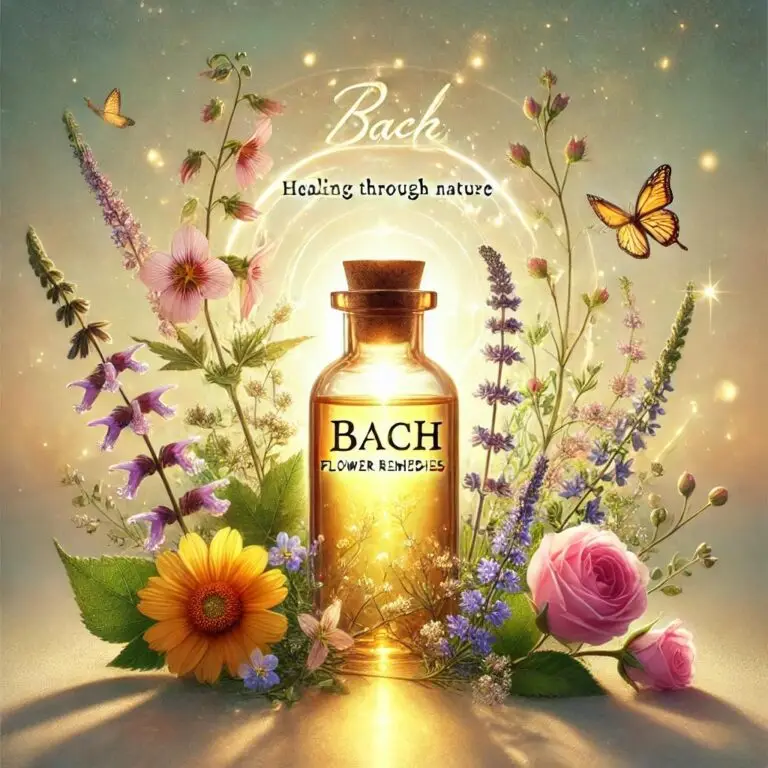
Bach Flower Remedies are a natural approach to emotional healing and well-being. Developed by Dr. Edward Bach, a medical doctor and homeopath, in the early 1900s, these remedies are made from the diluted essences of wildflowers. Unlike conventional treatments, Bach Flower Remedies focus on emotional wellness, working gently to balance emotions rather than addressing physical symptoms directly.
Dr. Bach believed that negative emotions hinder the body’s ability to heal itself. His system includes 38 remedies, each designed to target a specific emotional state. These remedies are grouped into seven core emotional imbalances.By restoring emotional balance, Bach Flower Remedies help alleviate feelings such as worry, fear, and indecision, allowing peace and happiness to naturally return. This emotional harmony enables the body to heal itself, supporting overall well-being. Bach Flower Remedies are primarily important for the mind and emotions because they work on the principle that emotional well-being directly influences physical health. Dr. Edward Bach, who developed the system, believed that negative emotions like fear, stress, worry, and anger can disrupt the body’s natural healing processes and lead to illness.
1. Emotional Healing Leads to Physical Balance:
• According to holistic healing principles, emotional imbalances can manifest as physical symptoms. By restoring emotional harmony, Bach remedies indirectly support overall health.
2. Energy-Based Medicine Approach:
• The remedies work by addressing negative emotional states at an energetic level, similar to how homeopathy works. They do not directly target physical ailments but help shift emotional patterns that might contribute to illness.
3. Mind-Body Connection:
• Scientific research increasingly supports the idea that emotional health affects the immune system, digestion, and overall well-being. Stress and anxiety, for example, can weaken immunity and cause physical disorders.
4. Gentle and Non-Invasive:
Bach Flower Remedies do not act on a biochemical level but rather on an energetic level, making them safe for all ages without side effects.
They can Help Physical Ailments but not directly.
While Bach Flower Remedies are primarily used for emotional states, they can indirectly aid in physical healing by reducing stress, promoting relaxation, and improving overall mental clarity. Many practitioners combine them with other therapies, such as Reiki, homeopathy, and acupressure, for a holistic approach.
Here are Bach Flower Remedies for different emotional states, categorized for easy reference:
1. Fear & Anxiety
• Mimulus – For known fears (e.g., fear of public speaking, heights, or illness).
• Aspen – For vague, unknown fears and anxiety without a clear reason.
• Rock Rose – For extreme terror, panic, or nightmares.
• Cherry Plum – For fear of losing control or emotional outbursts.
• Red Chestnut – For excessive worry about loved ones.
2. Stress & Overwhelm
• Elm – For feeling overwhelmed by responsibilities.
• Oak – For those who overwork themselves and don’t know when to rest.
• Impatiens – For impatience, irritability, and frustration.
• Rescue Remedy (a blend of 5 remedies) – For emergencies, shock, and immediate relief from stress.
3. Sadness & Depression
• Mustard – For sudden, deep sadness without a known cause.
• Gentian – For discouragement after setbacks.
• Gorse – For hopelessness, feeling like nothing will improve.
• Sweet Chestnut – For deep despair and feeling like there’s no way out.
4. Lack of Confidence & Self-Doubt
• Larch – For lack of self-confidence and fear of failure.
• Cerato – For doubting one’s own judgment and constantly seeking advice.
• Scleranthus – For indecisiveness and difficulty choosing between two options.
5. Lack of Energy & Motivation
• Hornbeam – For mental fatigue and procrastination, feeling like you need a push to start.
• Wild Rose – For apathy, resignation, and lack of enthusiasm for life.
• Olive – For physical and mental exhaustion after prolonged stress or illness.
6. Emotional Healing & Letting Go
• Holly – For anger, jealousy, hatred, or resentment.
• Willow – For self-pity, bitterness, and blaming others.
• Pine – For guilt and self-blame.
• Chestnut Bud – For repeating the same mistakes and not learning from experience.
7. Social & Relationship Issues
• Water Violet – For people who are distant, reserved, or prefer solitude.
• Heather – For those who talk too much about themselves and seek attention.
• Chicory – For possessiveness and overprotectiveness in relationships.
• Beech – For critical, judgmental, and intolerant attitudes.
• Vervain – For excessive enthusiasm, overworking, and trying to convert others to one’s beliefs.
• Rescue Remedy: Great for sudden stress or emergencies we should keep it handy for quick relief.
I especially helped the students who appeared competitive exams such as IIT in dealing and combat with their different mind levels during their preparation for IIT. I made a questionnaire for this to select the correct remedy by every one depending upon their mental state. I give to my patients also along with Homeopathy medicines, knowing their mind. Mental state is very important even in Homeopathy; but it is very difficult to select remedies for mind out of many remedies. In Homeopathy every remedy has its own mind character. Bach Flower Remedies help in selecting Homeopathy Remedies also.
I have very extensive experience in this.
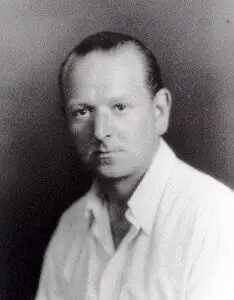
Dr. Edward Bach: The Founder of Bach Flower Remedies
Dr. Edward Bach (1886–1936) was a British physician, bacteriologist, and homeopath who developed the Bach Flower Remedies, a natural healing system focused on emotional and mental well-being. He believed that negative emotions could lead to physical illness and that restoring emotional balance could support overall health. Early Life and Medical Career
• Born in Moseley, England, in 1886.
• Studied medicine at the University College Hospital, London, and became a physician.
• Worked as a bacteriologist and pathologist, researching the connection between bacteria and chronic diseases.
• Later became a homeopath, developing the “Bach Nosodes,” which were vaccines derived from bacteria to treat chronic illnesses. Discovery of Bach Flower Remedies Dr. Bach wanted to find a gentler, more natural way of healing, focusing on emotions rather than just physical symptoms. In the late 1920s and early 1930s, he left his medical practice to study plants and flowers. He discovered that certain wildflowers had unique vibrations that could help balance negative emotions.He developed 38 flower remedies, each corresponding to a specific emotional state, such as fear, uncertainty, loneliness, or stress.
Dr.Bach passed away in 1936, but his work continues to inspire natural healing practitioners worldwide. The Bach Centre in England still produces and teaches about Bach Flower Remedies. His holistic approach is widely used in alternative medicine, homeopathy, Reiki, and integrative healing systems.
Principles of Bach Flower Therapy
1. Treat the Person, Not the Disease – He believed that addressing emotional imbalances could help the body heal itself.
2. Mind-Body Connection – Negative emotions can lead to physical illness, and restoring inner peace can promote health.
3. Healing Through Nature – The remedies are made from flowers, water, and sunlight, preserving their natural energy.
4. Gentle and Safe for All – The remedies are non-toxic, non-addictive, and can be used by people of all ages, including children and animals.
DISCLAIMER
The information, about Bach Flower Remedies and it’s techniques, and practices are intended as integrative or complementary approach to health and well-being. This method is not intended to replace professional medical advice, diagnosis, or treatment provided by qualified healthcare professionals.
Individuals are encouraged to consult their primary healthcare provider or a licensed medical practitioner for any medical concerns or conditions. The practitioners of this integrative modality do not diagnose, treat, cure, or prevent any disease or medical condition.
Results and experiences may vary depending on the individual, and no guarantees are made regarding the effectiveness of this practice. Use of this method is entirely at the individual’s discretion and responsibility.
By engaging in this practice, you acknowledge that this is offered as a supportive approach to overall health and wellness and that you understand their limitations as non-conventional medical therapy.
Client Acceptance and Consent Form
I, the undersigned, acknowledge and agree to the following:
1. I understand that the service provided through Bach Flower Remedies is integrative and complementary in nature and is not a substitute for professional medical diagnosis, treatment, or advice provided by a licensed healthcare provider.
2. I confirm that I have been advised to consult with a qualified medical practitioner for any medical conditions, concerns, or emergencies I may have.
3. I acknowledge that the practitioner does not diagnose, treat, cure, or prevent any diseases or medical conditions. This modality is intended to support and enhance my overall health and well-being.
4. I understand that results from this practice may vary, and no guarantees of effectiveness or specific outcomes have been made.
5. I take full responsibility for my decision to participate in this practice and confirm that I am engaging in them of my own free will.
6. I release the practitioner from any liability or claims arising from my participation in this service, except in cases of proven gross negligence or misconduct.
Declaration
I have read, understood, and accept the terms outlined above. I agree to proceed with the integrative and complementary health services provided and consent to receive them.
Client Details
Name: ___
Address: ___
Contact Number: ___
Date: ____
Signature of Client: ____